Internal Events: Are They Delivering The Best Results?
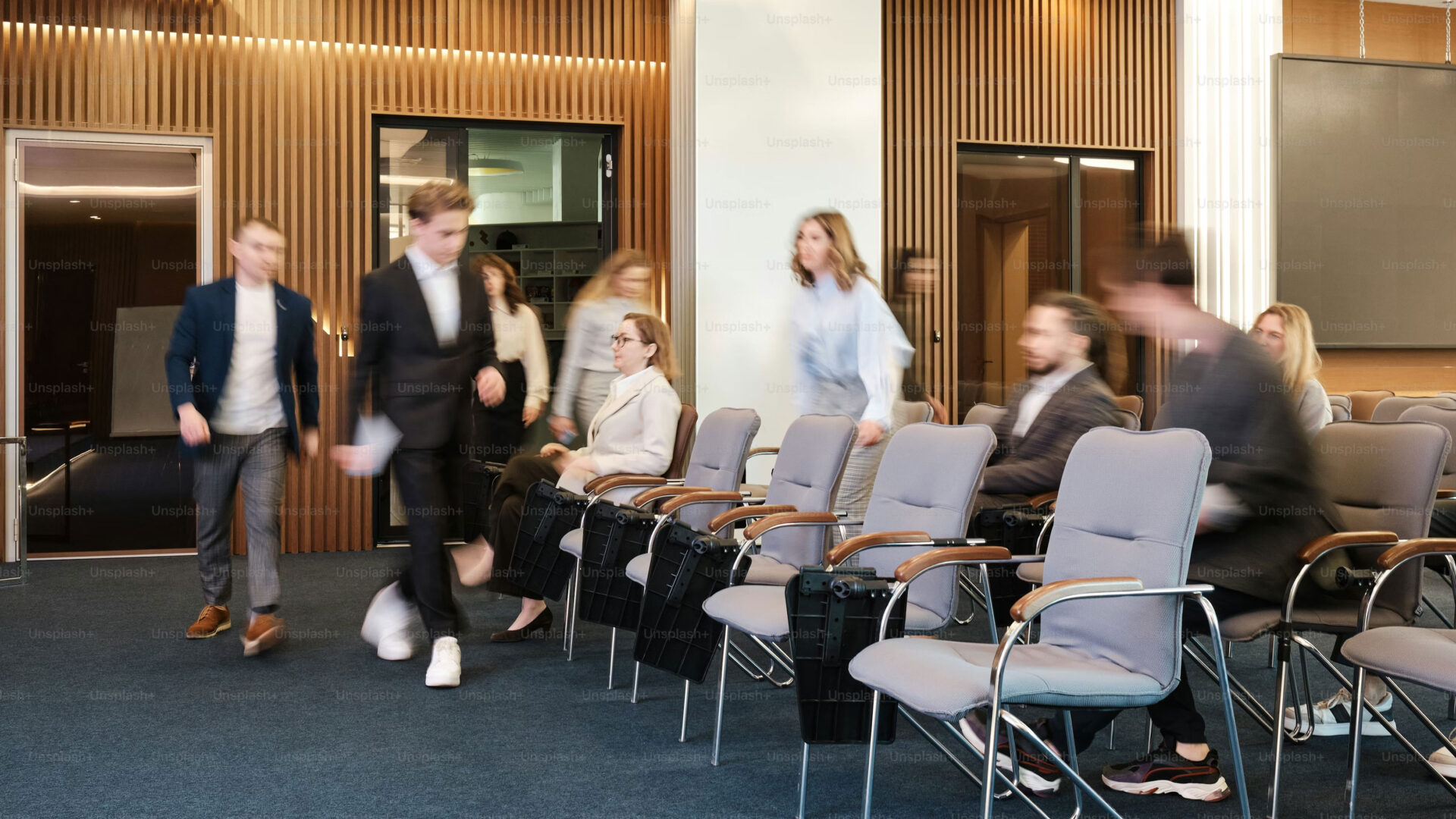
At The Franchise Group (TFG), we’ve seen internal events at their best and their worst. When they work, they create alignment, momentum, and trust. When they don’t, they feel like expensive meetings with good catering (hopefully). Let’s break down the purpose of internal events, how to measure their impact, and what it takes to design experiences that truly move the needle.
Common Types of Internal Events
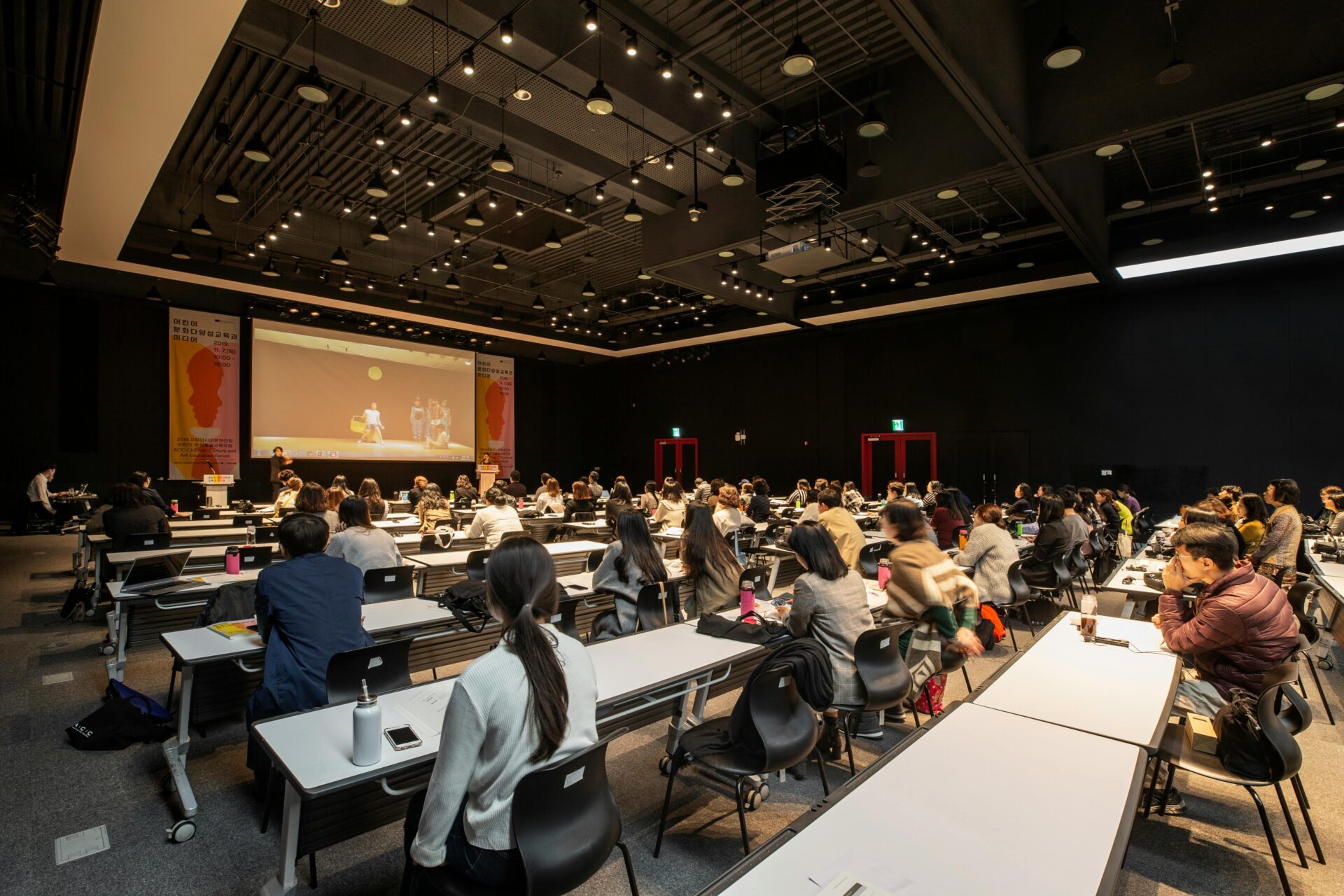
Company Town Halls
Typically held quarterly, town halls are a chance to review company performance, discuss revenue and growth goals, address organizational changes, and reinforce priorities. They also provide an important forum for leadership visibility and open communication.
Sales Kickoffs (SKOs)
Sales kickoffs usually take place at the start of a fiscal year. They look back on wins and challenges from the previous year, set expectations for the year ahead, and establish the cadence for how sales teams will operate and compete.
Leadership Meetings
Smaller, more focused gatherings that align senior leaders and managers around strategy, messaging, and decision-making.
Employee Summits
Larger-scale internal conferences that bring teams together for learning, inspiration, and connection across departments.
Training and Onboarding Events
Designed to equip employees with new skills, tools, or knowledge, these events are critical for long-term performance and retention.
Offsites
Especially important for remote or hybrid organizations, offsites create space for teams to collaborate, brainstorm, celebrate wins, and build relationships that are hard to replicate day-to-day.
What Internal Events Are Meant to Achieve
Strong internal events should drive more than attendance. They should:
- Create buy-in around company goals
- Build trust between leadership and employees
- Encourage collaboration across teams
- Establish a clear definition of what success looks like
This is where internal events ROI really lives. The return is not just financial. It shows up in alignment, morale, and how teams work together after the event ends.
Are Your Internal Events Working?
You can usually tell.
People show up, engage, contribute, ask real questions, and share both wins and challenges. Conversations feel productive and psychologically safe. Ideas surface that teams can carry back into their day-to-day work.
If your events feel flat, overly scripted, or disconnected from real issues, that’s a signal, not just a vibe.
How to Measure the Success of Internal Events
Success goes beyond attendance and applause.
Key indicators include:
- Active participation in discussions, polls, activities, and working sessions
- Clear, actionable feedback on relevance, clarity, and value
- Alignment around goals and priorities
- Observable shifts in behavior after the event
- Business outcomes tied to improved collaboration or focus
The real ROI isn’t what happens on stage.
It’s what changes after everyone goes back to work.
What Is Return on Experience?
Return on experience focuses on the human impact — not metrics.
It asks:
Did this event change how people feel about the work and each other?
It shows up as:
- Renewed energy and ownership
- Stronger cross-team trust
- Greater candor in conversations
- A shared sense of momentum
When people leave feeling connected, heard, and genuinely motivated, the event has created something durable.
And that’s what carries performance forward.
Why Internal Events Miss the Mark
Internal events fail when alignment is missing from the start. Without a clear plan to support realignment or open dialogue, events can feel disconnected from reality.
This is especially risky during periods of change such as layoffs, turnover, or restructuring.
Events also struggle when:
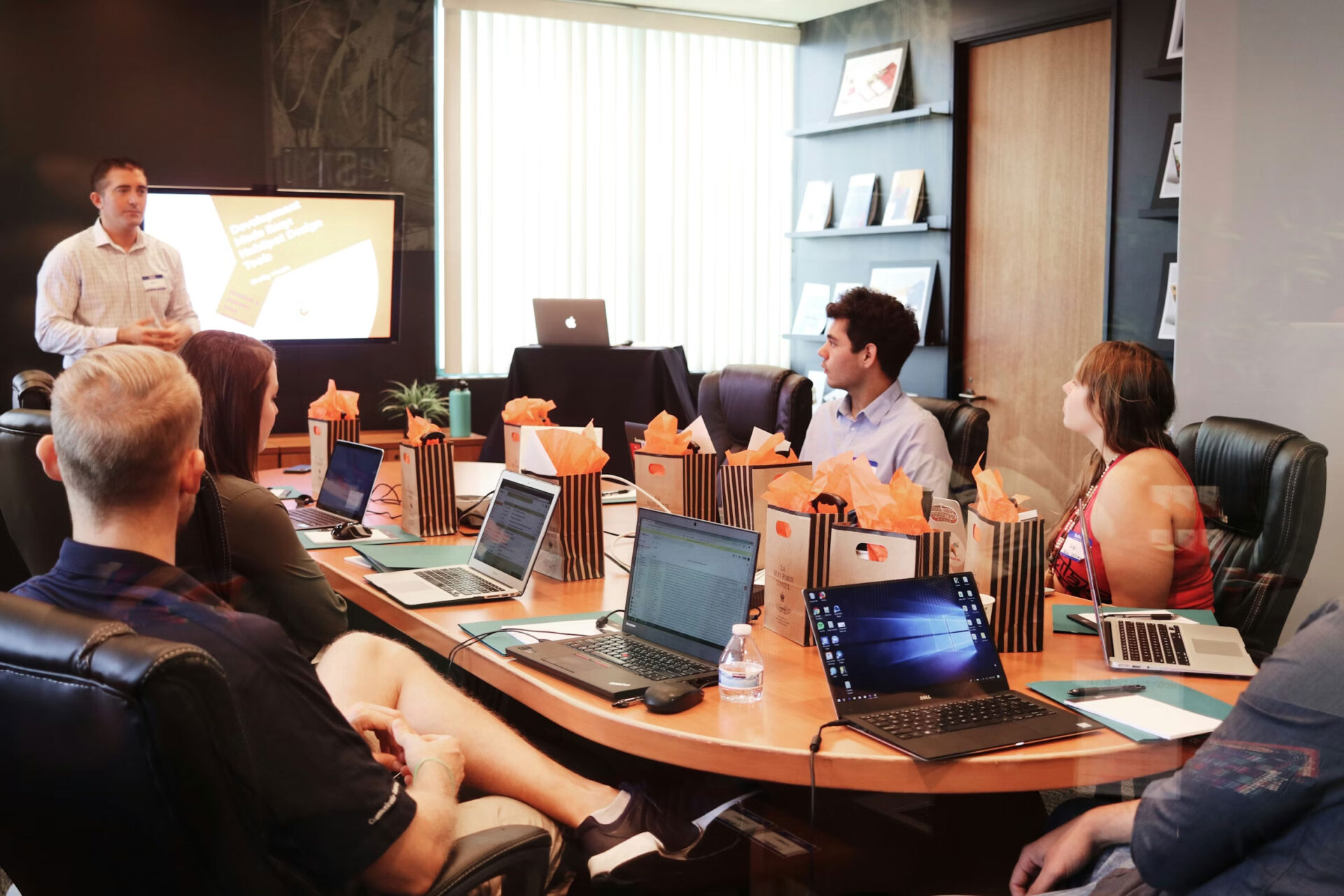
- Planning is handled by small or inexperienced teams
- There is no experienced production or content partner
- In-house AV is expected to manage complex programs without white-glove support
- Leadership and speakers feel unsupported or unsettled
Trying to do everything internally can leave teams stretched thin and events underwhelming.
How to Design Internal Events That Deliver Real Value
High-impact internal events start with intention and expertise. Key best practices include:
- Aligning leadership before the event
- Creating space for honest dialogue
- Designing content that reflects real challenges and goals
- Partnering with experienced event and production teams
- Supporting speakers with thoughtful preparation and on-site support
- A seamless experience allows leaders to focus on connection rather than logistics.
Key Questions to Ask Before Planning Your Next Internal Event
- What do we want teams to think, feel, and do differently after this event?
- How will we measure success beyond attendance?
- Are we creating space for real conversation or just presentations?
- Do we have the right partners to execute this at a high level?
When internal events are designed with purpose and executed with care, they become powerful drivers of culture, communication, and performance.